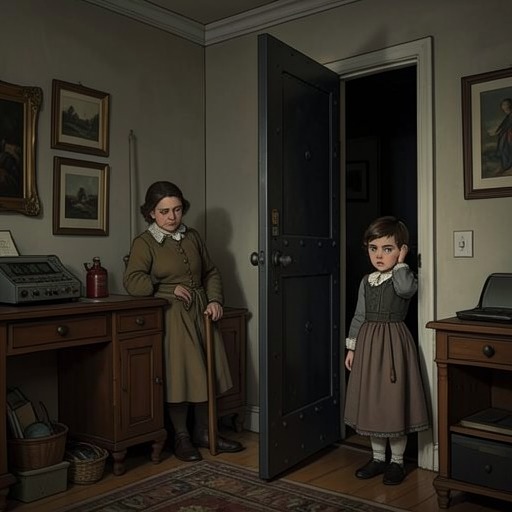
Samuel Kingsley’s crash and disclosure of the family’s immigration status
The Sun is Also a StarSamuel Kingsley’s crash and disclosure of the family’s immigration status turn a drunk-driving incident into the point at which the Kingsleys’ hidden status reaches immigration authorities. Recounted by Natasha Kingsley to Jeremy Fitzgerald, the episode links Samuel’s brief pursuit of acting recognition to an arrest, a family immigration case, and the prospect of losing the only home Natasha knows.
The Night of the Crash
After Samuel spends the evening drinking with his new actor friends, he drinks too much. On his way home, he rams his car into a parked police car. In his drunkenness, he tells the responding officer the history of the family’s arrival in the United States, says that they are undocumented immigrants, and complains that America never gave him a fair shot. The officer arrests him and calls U.S. Immigration and Customs Enforcement.
The account comes from Natasha as she explains the family’s history to Jeremy Fitzgerald. She says she speeds through the story, but its compressed sequence is stark: a night of drinking ends in a collision; the collision brings Samuel into contact with police; and what he tells the officer exposes the whole family. The crash is not merely a personal mistake with consequences for its driver. It makes the family’s immigration status known to the authorities.
From Disclosure to Immigration Proceedings
The disclosure leads into a formal process. A few weeks after Samuel’s arrest, the family receives a Notice to Appear from the Department of Homeland Security. At the Master Calendar Hearing, Samuel does not accept voluntary removal. The family instead researches cancellation of removal and hires the cheapest lawyer it can find, hoping to build a case around Peter’s U.S. citizenship.
That strategy requires Samuel to have lived in the United States for at least ten years, demonstrated good moral character, and shown that his removal would cause extreme hardship to a U.S.-citizen spouse, parent, or child. The judge denies the case at the Merits Hearing. The family’s lawyer advises against appealing, saying they have no case and are out of options; leaving voluntarily, she explains, would avoid a deportation on their records and preserve some hope of returning. Samuel accepts voluntary removal. Later, Jeremy Fitzgerald reports that the judge would not overturn that order, and Natasha is still facing removal from the country that night.
Responsibility and Family Consequences
Natasha resists treating the family’s impending departure as simply her father’s private misfortune. When Jeremy Fitzgerald points to Samuel’s DUI, she insists that it is his problem and asks why she should have to pay for his mistake. Her anger names the unequal reach of the consequences: Samuel drove drunk and disclosed their status, but the immigration proceedings place the family’s future, not just his, at stake.
For Natasha, the threatened departure means losing a home and a life established in the United States since she was eight. She fears going to Jamaica, where she says she knows neither the place nor her family in the way she believes family should be known. She is in her senior year, worries about prom, graduation, and friends, and has only just started assembling a Brooklyn College application. Her mother has spent two years saving for a trip to Florida to buy a stolen-number Social Security card that could support applications for financial aid and college. The crash thus reverberates into plans for education and adulthood that had depended on remaining in the country.
The Private Story Behind the Legal Account
When Jeremy Fitzgerald asks why Samuel would reveal the family’s history, Natasha knows an answer she does not give him. In the family scene she withholds, Samuel says that his wife and children stood between him and the life he dreamed of; Natasha understands them to be his greatest regret. But when she recounts the arrest to the lawyer, she does not disclose that intimate accusation. Instead, she moves directly to the Notice to Appear.
That omission keeps two kinds of consequence in view without making them identical. Samuel’s crash and drunken disclosure explain how the authorities learned the family’s status; the resentment Natasha leaves out reveals a different, private wound within the household. Together, they show why the episode is more than the inciting incident in an immigration case: a father’s failed night of recognition becomes a public legal crisis, while the daughter is left to carry consequences produced by both the state’s proceedings and her family’s choices.